
9 Kings Beginner Tips: 12 Mistakes That End Runs
Twelve 9 Kings beginner mistakes that cost runs, from scattered farms to early rerolls, plus the exact fix for each one and when to break the rule.
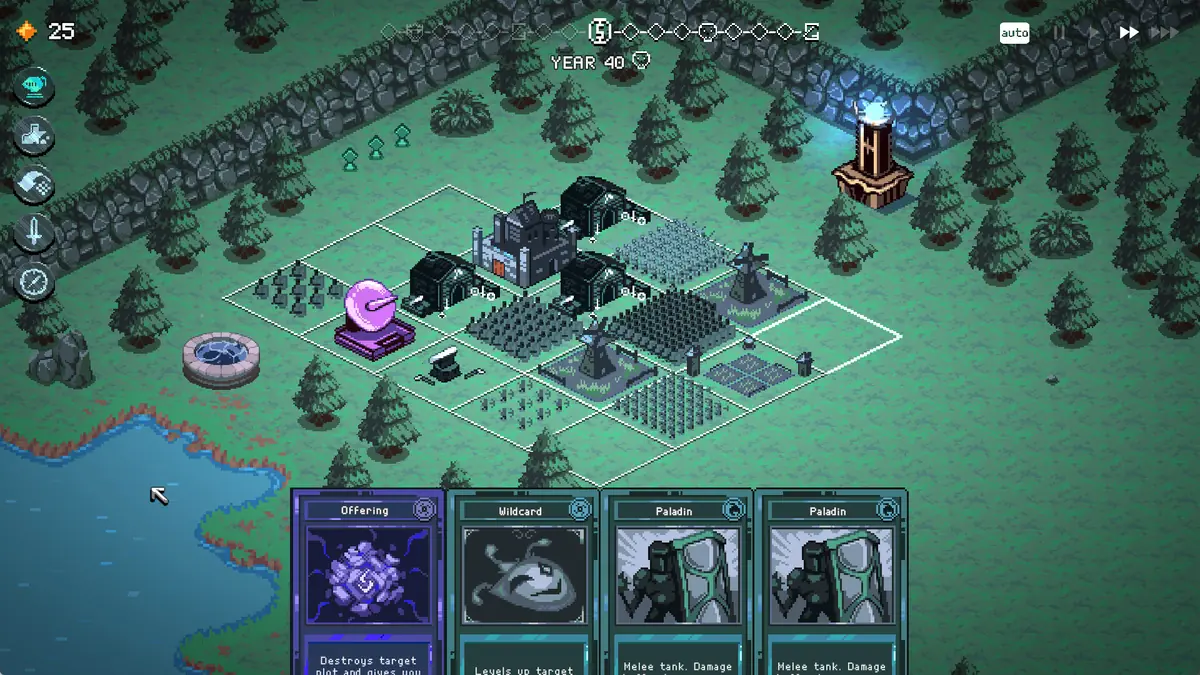
Quick answer: Most early 9 Kings losses come from spreading buffs across too many plots, spending gold on rerolls before year 12, and treating every card as equally valuable. Fix those three habits and you will reach the Final Battle far more often.
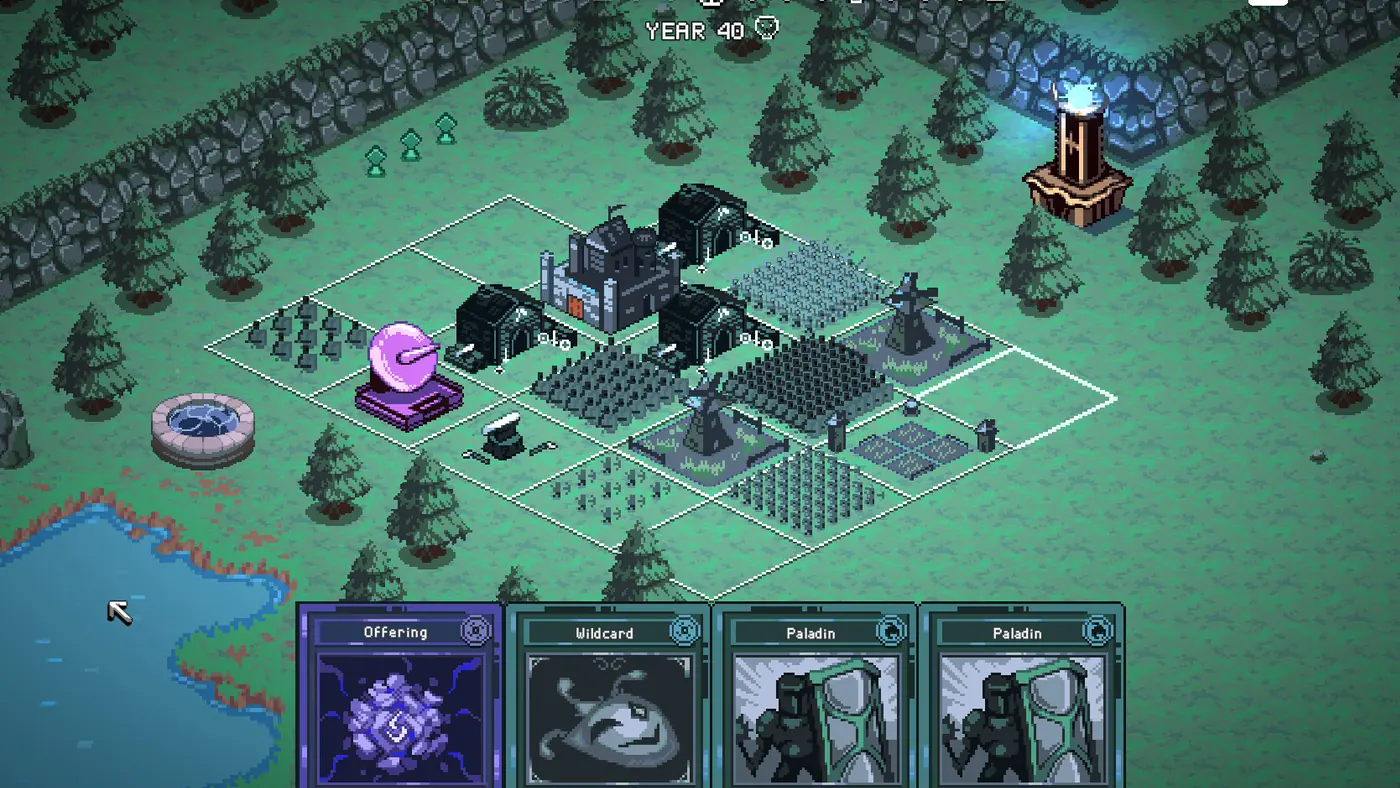
A beginner run usually does not fail at year 33. It fails at year 8, when the army is bigger than the economy and the kingdom has six half-built clusters instead of one strong one. The game is generous with information but stingy with space. These are the twelve mistakes that show up most often, ordered by how much damage they do.
1. Spreading buffs across every plot
A Farm gives +1 unit per year to adjacent troops. If it touches three troops, all three get the bonus. That feels efficient. It is not, because only one of those troops is going to be your win condition.
Put the Farm next to one troop. Put the Blacksmith next to the same troop. Let the other plots be towers, economy, or empty space. A single unit with +6 units per year and +12% attack per year beats three units with +2 and +4%.
2. Building wide before building tall
A new plot costs gold and does nothing by itself. A plot upgrade improves a card you already have. In the first ten years, upgrading your main troop or your base usually returns more than opening a second front.
The exception is a plot that completes an adjacency pattern. If one more plot lets a Farm touch your Paladin and a Blacksmith touch the same Paladin, take it. Otherwise, upgrade first.
3. Rerolling cards before the merchant economy exists
A reroll costs 10 gold and rises by 10 each time. At year 5, that is more than a year of income. You are paying a permanent resource for a temporary look at another card.
Reroll when the current hand has no card that helps your build and you have gold you cannot spend on a plot. Do not reroll because the first card is merely average.
4. Buying every merchant card
The first merchant arrives at year 12. Card prices start at 30 gold and rise by 15 per purchase. That is three plots for the first card.
Buy when the card completes a known build, not when it is generically strong. A Library with no troops to copy is a dead plot. A Vault with no gold engine is a slow investment. The merchant is a completion tool, not a shopping spree.
5. Ignoring the Royal Council
The year-4 decree is one of the largest power spikes in the run. New players often pick the first option because the battle is waiting.
Read all the options. Bunker doubles tower attack speed for a tower build. Sharp Blades adds 30% attack to every unit and tower. Exploration gives three plots for free. A decree can define the run; a bad one can leave you with a bonus that never applies.
6. Treating towers as disposable
Towers cannot be attacked or destroyed. That makes them the safest investment in the game. A tower placed early deals damage for thirty years.
The mistake is placing towers in the front line and expecting them to tank. They do not tank; they shoot. Put them behind your melee cluster and let the enemy walk through the kill zone.
7. Putting melee troops on every side of the base
Enemies can approach from multiple directions. A common beginner response is to put a troop on every side. That splits your buffs and your attention.
Build one strong kill zone. Let the other sides be covered by towers, walls, or the base itself. A base can survive a few hits; a split army cannot survive a concentrated push.
8. Wasting enchantments on temporary units
Enchantments have no stack limit, which makes them look like a resource to spread. They are not. An enchantment on a unit you will replace next year is gone.
Put every enchantment on the unit that will still be in your kingdom at year 33. Steel Coat on a Paladin is a permanent upgrade. Steel Coat on a summoned Imp is a one-battle rental.
9. Misreading where cards come from
After a battle, the three-card choice comes from the king you just fought. If you lose, it comes from your own deck. This is the single most important rule for drafting.
If you want a specific card, fight the king that owns it. If you are not ready for that fight, you are choosing between safety and access. Do not expect the merchant to solve a draft problem that only a war can solve.
10. Overvaluing card level and undervaluing placement
A level-3 card in the wrong plot is worse than a level-1 card in the right plot. Levels add stats; adjacency adds multipliers.
Before you spend gold on a level-up, check whether the card is touching the buildings that make it work. A Paladin with no Farm and no Blacksmith is just an expensive body.
11. Forgetting the year-33 deadline
The Final Battle is not a normal year. The boss can hit your base directly, and losing wipes every remaining life at once. A kingdom that wins every normal battle can still lose at year 33.
Start preparing at year 25. Make sure your main troop has its enchantments, your towers are behind the line, and you have a way to kill a single high-health target. Do not spend the last eight years opening new plots.
12. Playing on fast speed while learning
The speed control is useful once you know the matchups. While learning, it hides the information you need: which unit is taking damage, where the enemy is spawning, and whether your base is actually threatened.
Play the first ten years on normal speed. Pause during the build phase. Read the enemy preview before you start the battle. The game gives you that information for free.
The fix that matters most
If you only change one habit, change this: pick one unit and build the kingdom around it. Every Farm, Blacksmith, enchantment, and decree should answer the question "does this make that unit stronger?" Everything else is support.
That approach also makes the tier list easier to read. A card is not good in isolation; it is good when it has a home. The best builds→ page shows what a finished home looks like, and the kingdom layout→ page shows where the pieces go.
A Knight Haven without Farms is just a Paladin. A Static chain without attack-speed support is just a Wizard. Copy the engine first, then the payoff card.
FAQ
What is the most common beginner mistake? Spreading buffs across too many troops. One buffed unit wins more battles than four average ones.
Should I reroll at the start of a run? Only if the hand has no card that helps your base or your first troop. Early gold is better spent on a plot.
When should I buy from the merchant? When the card completes a build you already have. The first card costs 30 gold, which is three plots.
How many lives do I have? You start with multiple lives and lose one per defeat. The Final Battle is the exception: losing it ends the run.
Sources
Official source: 9 Kings Steam store page ↗