
9 Kings Quest Mode Guide: The Map, Rewards, and Best Start
How Quest Mode works in 9 Kings: the nine-shaped map, the fixed enemy king, the extra starting cards, and the fastest route to its rewards.
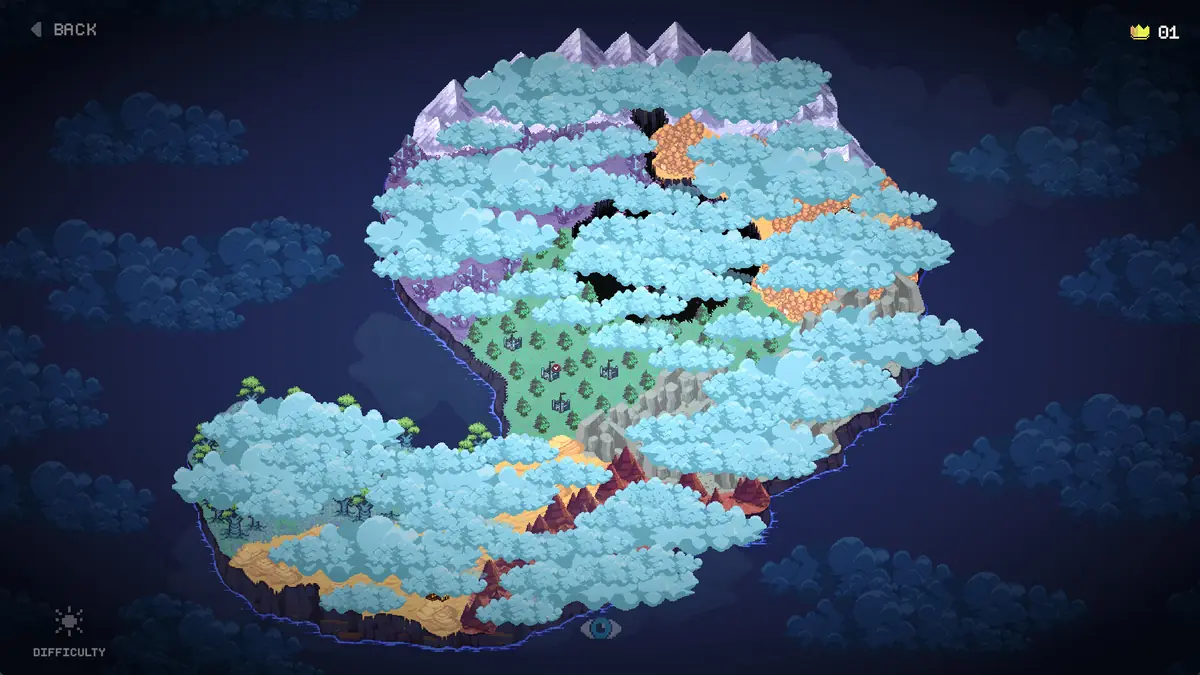
Quick answer: Quest Mode is a shorter, hand-built 9 Kings run against one enemy king. You start with extra cards, plots, and a decree, and the map is shaped like the number 9. It is the best place to learn a new king's deck before taking it into a full run.
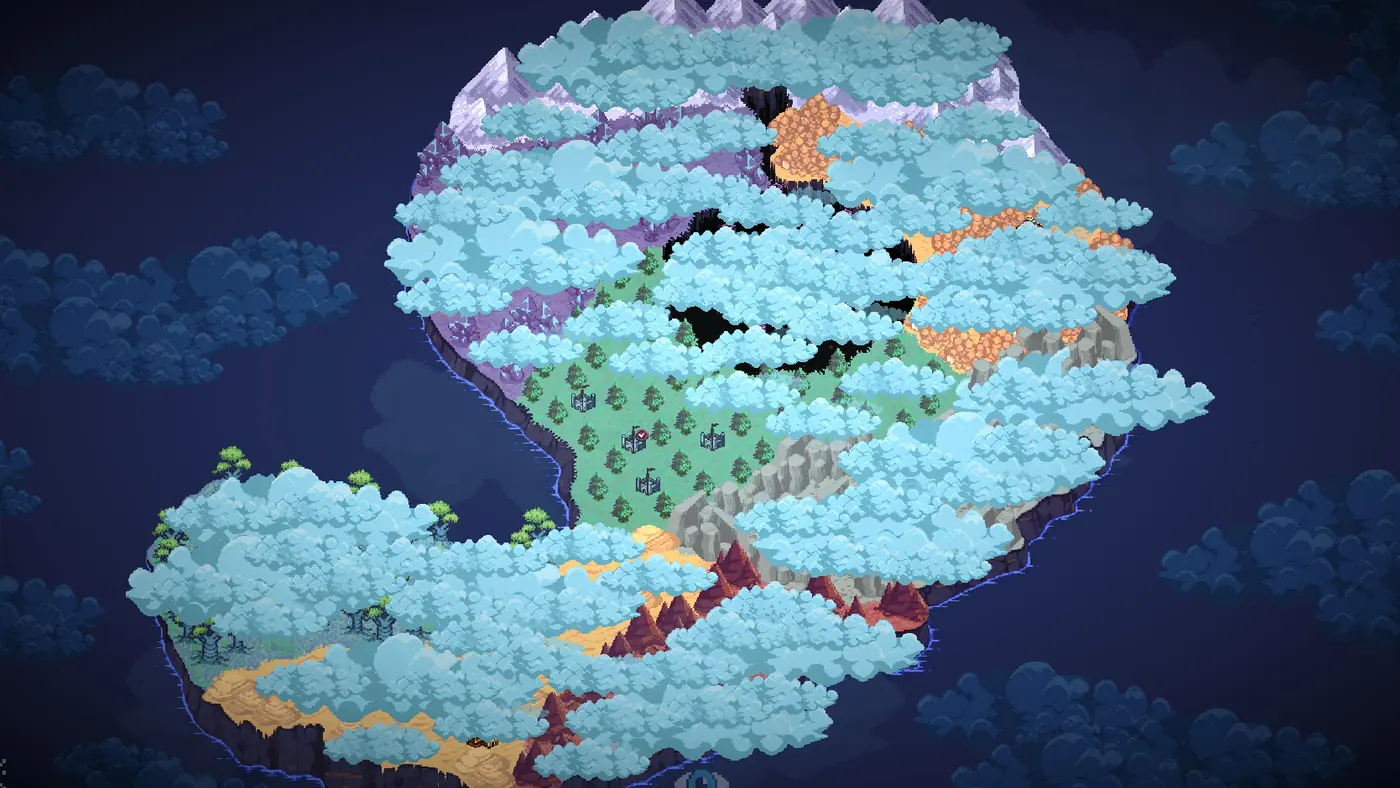
Quest Mode arrived in patch 19 and changed how players learn the game. Instead of a 33-year standard run against a rotating cast of rival kings, you get a compact scenario with a fixed opponent and a curated card pool.
That makes it both a tutorial and a testing ground. If you want to know whether a king's deck fits you, Quest Mode is faster than a full run.
What Quest Mode changes
A standard run has nine rival kings, a random card pool, and a 33-year clock. Quest Mode has:
- One enemy king. You know who you are fighting from the start.
- Extra starting cards. You begin with more options than a standard run.
- Extra plots. The map gives you more room to build early.
- A starting decree. You do not wait for year 4 to make your first permanent choice.
- A restricted card pool. You only see cards that fit the scenario.
The map itself is shaped like a 9, which is a nice visual joke but also a practical constraint: the lanes are narrow, and you cannot spread as freely as in a standard kingdom.
Why the map shape matters
The nine-shaped map funnels your placement. You have fewer wide-open plots, so adjacency is more important than raw space. A build that relies on spreading buffs across a wide board is worse here than a build that stacks a single lane.
That makes Quest Mode a good fit for:
- Knight Haven (one carry, stacked support).
- Static Spire (a tight cluster around a Wizard).
- Demon's Altar (a compact sacrifice engine).
It is a worse fit for wide token builds and Nomads movement builds, which want open space.
The best start
Take the extra plot first. Space is the scarcest resource, and the Quest map gives you fewer options than a standard run. A second plot lets you place a support building next to your carry instead of choosing between them.
Then take the carry. If the scenario gives you a Paladin, build around it. If it gives you a caster, build around the caster. Do not try to play two carries in a short run.
The starting decree should match the carry. A defensive decree for a melee carry, a damage decree for a caster, an economy decree if the scenario is long enough to pay it back.
What Quest Mode rewards
Quest Mode is the fastest way to unlock kings and test builds. Each quest has its own completion reward, and the scenarios are designed to teach a specific mechanic.
The rewards are not the only reason to play it. The mode is also a low-risk place to learn a new deck. A loss in Quest Mode costs less time than a loss in a 33-year run.
Quest Mode vs standard runs
| Feature | Quest Mode | Standard run |
|---|---|---|
| Length | Short | 33 years |
| Opponent | One fixed king | Nine rival kings |
| Starting power | Extra cards, plots, decree | Base start |
| Card pool | Restricted | Full |
| Best for | Learning, testing | Full builds, Endless |
If you are new, play Quest Mode with King of Nothing first. It teaches the core loop without the pressure of a full run. Then move to a standard run with the same king.
Reward routing
Quest rewards are not all equal. Take the extra plot or the starting card first when the scenario offers a choice; both compound for the whole run. A decree is strong, but a decree without a board to support it is just a modifier.
If the quest gives you a choice between a card you want and a reward that unlocks a king, check the unlock counter first. Quest completions count toward the same milestones as standard runs, so a reward that advances a 999-step counter can be worth more than a single card.
Do not reroll the quest's fixed card pool looking for a standard-run carry. The pool is curated; the card you need is usually already in it. Spend gold on upgrades and extra plots instead.
Repeat clears are for practice, not for farming. The first clear gives the scenario reward; later clears are best used to test a new decree or opening before you commit to a full run.
Common mistakes
Building wide. The map is narrow. Stack your buffs instead of spreading them.
Ignoring the starting decree. It is free power. Take it seriously.
Playing a slow engine. Quest Mode is shorter than a standard run. A build that needs 25 years to come online will not get there.
Treating it as a tutorial only. The mode has its own rewards and is a legitimate way to practice a king before a serious run.
The unlock kings→ page explains which quests unlock which kings, and the opening strategy→ page covers the first 12 years of a standard run.
Quest Mode is scripted. Do not memorize the scenario; learn how the king's cards interact.
FAQ
When was Quest Mode added to 9 Kings? Patch 19, released on November 21, 2025.
Is Quest Mode required to unlock kings? Some kings have quest-based unlocks. Others use account-wide milestones. Check the unlock guide for each one.
Can I play Quest Mode with any king? You need to own the king first. Quest Mode is a scenario, not a free unlock.
Does Quest Mode count toward achievements? Yes. Quest completions count toward the same achievement pool as standard runs.
Sources
Official source: 9 Kings Steam store page ↗