
9 Kings Kingdom Layout: Plot Placement That Wins
A practical 9 Kings layout guide for the 1.0 build: where to put your base, carry, farms, towers, and support so adjacency buffs actually stack.
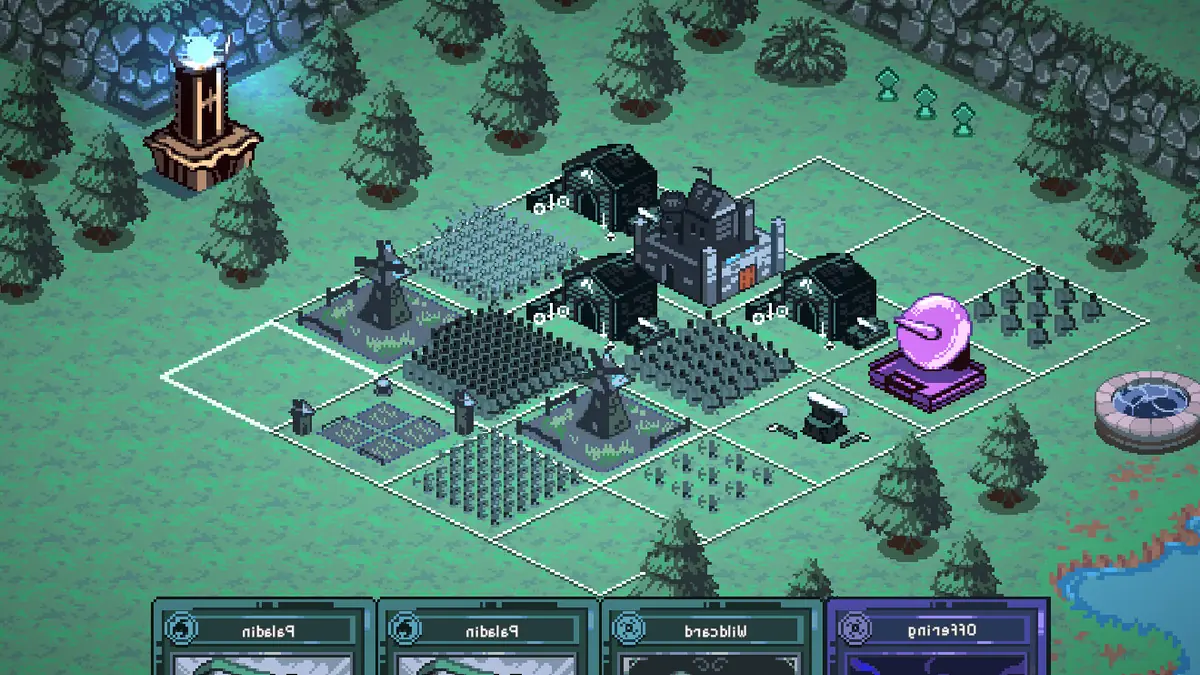
Quick answer: Put your base in a corner, your carry one plot away from it, and your support buildings adjacent to the carry, not to each other. Keep towers behind the front line and leave one lane open as a kill zone. Adjacency is the whole game.
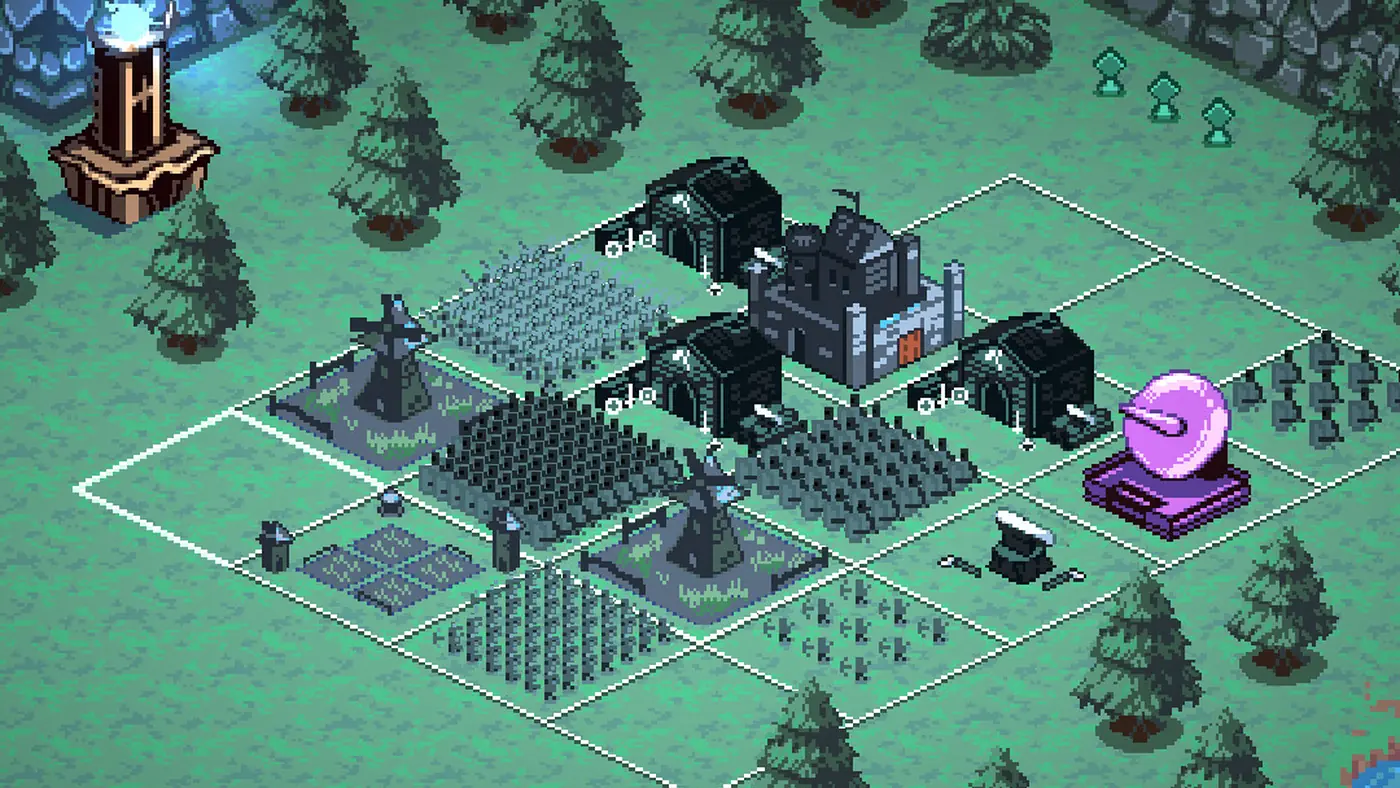
A 9 Kings board is a small grid of plots. Every plot can hold one card, and most cards care about what is next to them. That makes layout a multiplier on every other decision: the same cards in the wrong places lose, and in the right places win.
This guide covers the default layout, the three common variations, and the placement mistakes that quietly cost runs.
The default layout
Think of the board as three zones.
The base zone. Your base sits in a corner or against an edge. It should have one protected side and one side facing the enemy. Do not put it in the center.
The carry zone. Your main troop sits one plot away from the base, with support buildings on its other sides. This keeps the carry close enough to defend the base and far enough forward to fight.
The kill zone. The lane between your carry and the enemy is where fights happen. Towers and ranged units cover it. Melee units meet the enemy there.
The default shape is a triangle: base at the back, carry at the point, support behind the carry. It is not fancy, but it works with almost every deck.
Where each card type goes
Bases
Corner or edge. A base in the center is exposed from four sides. A base in the corner is exposed from two, and one of those is usually blocked by your own board.
Troops
The carry goes in the carry zone. Cheap troops go in front as a screen. Ranged troops go behind the carry, where they can shoot over it.
Do not put two carries next to each other unless they share buffs. They will split your support and die separately.
Buildings
Support buildings go adjacent to the unit they buff, not adjacent to each other. A Farm next to a Farm is two wasted plots. A Farm next to a Paladin is a carry.
Towers
Towers go behind the front line but within range of the kill zone. They cannot be attacked, so they do not need protection; they need targets.
Enchantments
Enchantments are played on troops, so their "placement" is the troop you choose. Put them on the unit that will fight the most, not the unit with the highest level.
The three common variations
The stack
All support on one carry. This is the Knight Haven shape and the most reliable layout for new players. It has one weakness: area damage can delete the support cluster.
The wall
A line of cheap bodies between the enemy and your carry. This is the tower fortress shape. It buys time for towers to do the work.
The split
Two smaller engines on opposite sides. This is the Nomads and wide-board shape. It is harder to pilot because you have to manage two fronts, but it is resistant to single-target removal.
The adjacency rules that matter
Most buffs in 9 Kings are adjacency-based. That means a building only helps the plots directly next to it. The practical rules:
- Put the buff next to the buffed. Obvious, but easy to forget when you are placing quickly.
- Do not double up support. Two Farms next to one Paladin is fine; two Farms next to each other is not.
- Leave room to grow. If you fill every plot around your carry with buildings, you have no room for the next support card.
- Protect the cluster. A tight cluster is efficient but vulnerable to area damage. A wall or a tank in front helps.
The opening layout
In the first 12 years, you have limited plots. Do not try to build the final shape immediately.
Start with the base in a corner. Put your first troop next to it. Put your first support building next to the troop. That is three plots and a working engine.
As you unlock more plots, expand outward from the carry, not from the base. The carry is the thing that needs support.
Late-game layout
By year 25, your board should have:
- A protected base.
- One carry with at least two support buildings.
- One wall or tank in front.
- Towers covering the kill zone.
- One open plot for a reactive card.
If you have no open plot, you are overbuilt. Destroy a marginal building or move a troop to make room for the card that wins the Final Battle.
Common layout mistakes
Base in the center. It gets surrounded.
Support buildings clustered together. They buff each other instead of your carry.
Carry on the front line. It takes the first hit and dies before its support matters.
Towers in front. They cannot be attacked, so putting them forward wastes their range and exposes your carry.
No open plot. You cannot respond to the merchant or the Final Battle.
The opening strategy→ page covers the first 12 years, and the best builds→ page shows the full shapes.
Before you spend a plot, picture where the next three cards will go. If you cannot, you are building reactively.
FAQ
Where should the base go in 9 Kings? In a corner or against an edge, with at least one side protected by your own board.
Should support buildings be next to each other? No. Put them next to the unit they buff.
How many plots should I leave open? At least one. Two is better in the late game.
Does layout matter in multiplayer? Yes, even more than in solo play, because attackers can scout your board.
Sources
Official source: 9 Kings Steam store page ↗