
9 Kings Multiplayer Guide: Async PvP, Ranks, and Builds
How 9 Kings multiplayer works: asynchronous PvP against rival kingdoms, the eight-king ladder, daily challenges, and the builds that hold up against humans.
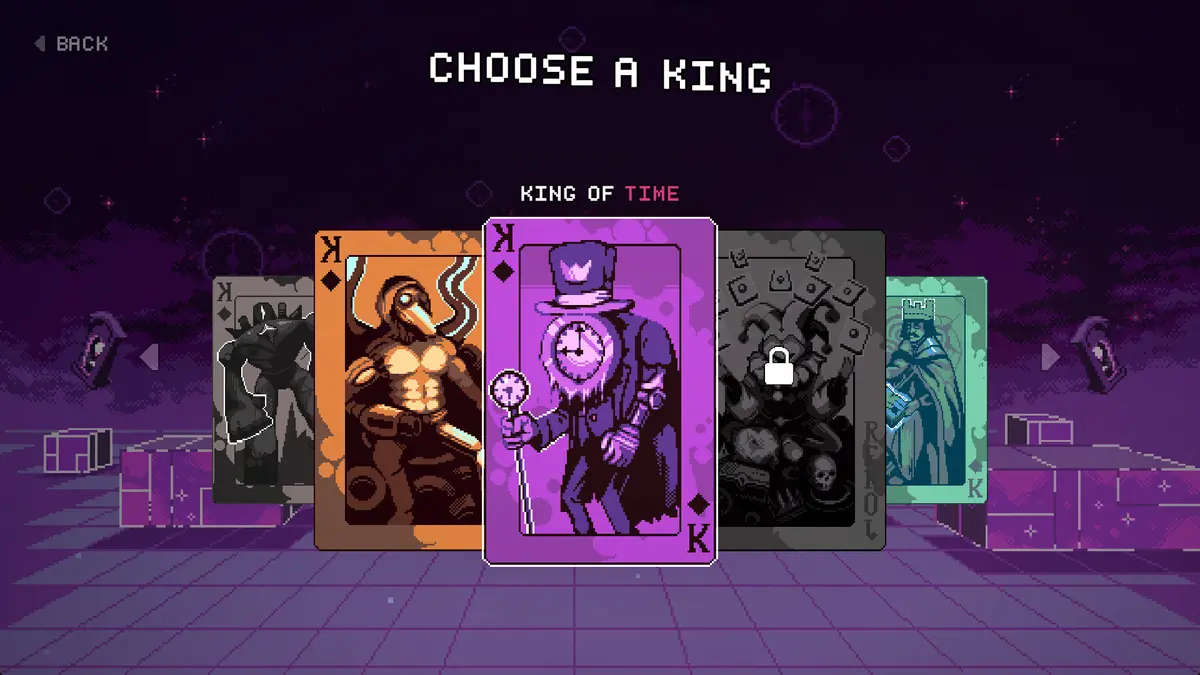
Quick answer: 9 Kings multiplayer is asynchronous. You build a kingdom, other players attack it, and you attack theirs. There is no real-time micro, so the winner is decided by build quality and positioning. The best multiplayer builds are consistent, defensive, and hard to counter.
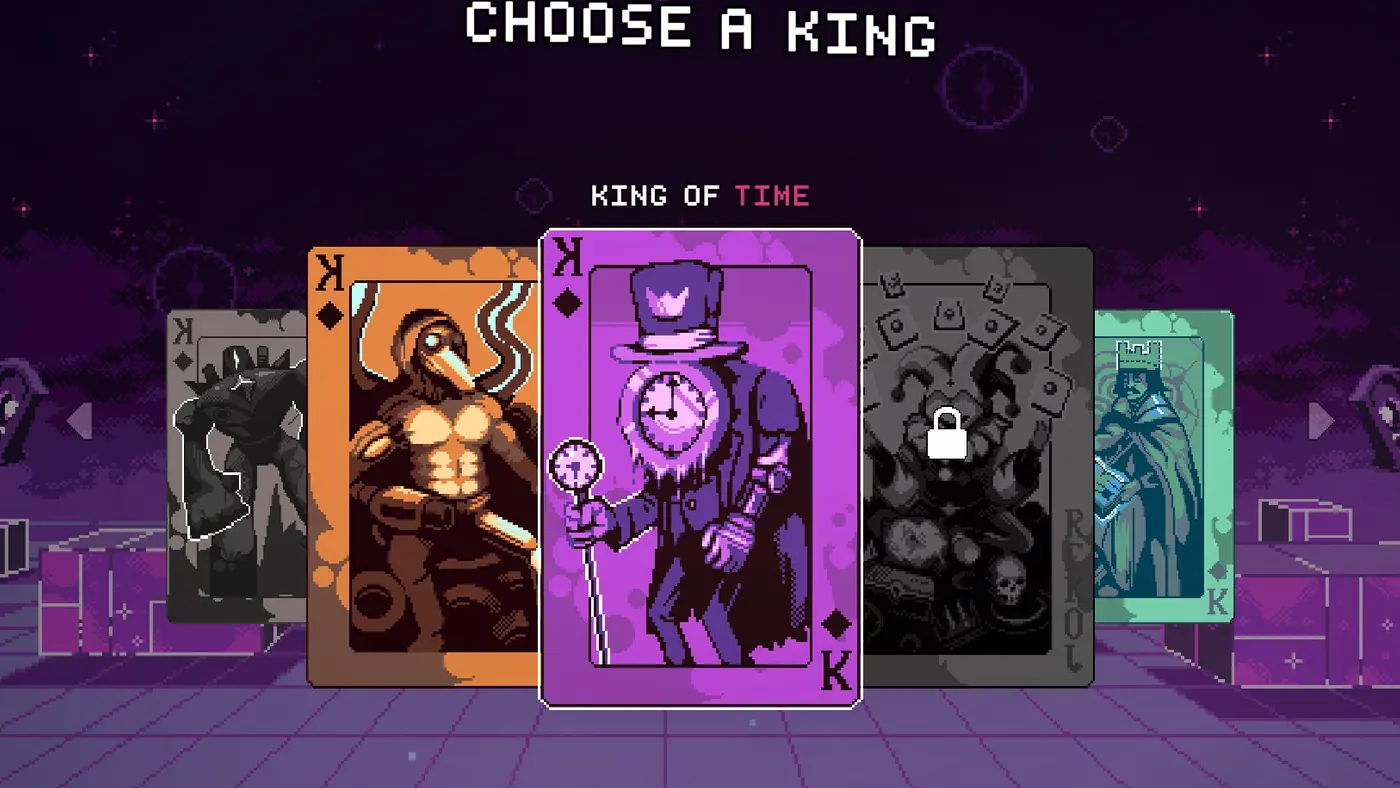
The single-player run is a race against a clock. Multiplayer is a race against other players' boards. That changes what "good" means.
A build that wins at year 33 in solo play can lose every defense in multiplayer if it has an obvious weakness. A build that is slower but harder to exploit can climb.
This guide explains the mode, the ladder, and the adjustments that matter.
How async multiplayer works
You create a kingdom and submit it to the ladder. Other players attack it while you are offline. You attack their kingdoms in turn. The results are resolved by the game's battle simulation, not by live control.
That means three things:
- Your board must defend itself. You cannot react to an attacker's placement.
- Your build must be consistent. A combo that needs a specific card is less reliable than a board that works with any draw.
- Your weaknesses are visible. Attackers can scout your layout and build to counter it.
The mode is closer to a puzzle than an RTS. You are designing a board that must survive unknown opponents.
The ladder and ranks
Multiplayer uses a ranked ladder. Wins move you up, losses move you down, and the top ranks require a mix of offense and defense. The exact rank names and season resets are handled by the game's live service, so check the in-game ladder screen for the current season.
Daily challenges and medals give additional goals. They are a good way to test builds without risking rank.
What changes in multiplayer
Defense matters as much as offense
In solo play, you only need to beat the AI. In multiplayer, your board is attacked while you are away. A glass-cannon build that wins first but dies to any counter is a bad ladder build.
Add one defensive layer: a wall, a tank, or a tower that forces attackers to commit. The cost is small; the gain in defense win rate is large.
Consistency beats ceiling
A build that needs three specific cards has a high ceiling and a low floor. In a ladder, the floor matters more. You want a build that functions with two of its three key pieces.
Knight Haven is the classic example: Paladin, Farm, Steel Coat. If you miss Steel Coat, the build still works. If you miss Paladin, you can pivot to Soldier.
Scout before you attack
You can see the defender's layout before committing. Use that. If the board is a tower fortress, bring area damage or a way to reach the backline. If it is a single carry, bring burst or a way to isolate it.
The attacker has the information advantage. A good defender builds a board that does not have one obvious counter.
The best multiplayer archetypes
Knight Haven
One Paladin, two Farms, Steel Coat, and a wall. It is durable, easy to pilot, and hard to burst down. It is the safest ladder build for new players.
The counter is ignore-the-carry strategies that kill the support first. Spread your support slightly so one area attack does not delete everything.
Tower fortress
Towers cannot be attacked or destroyed, so a tower-heavy board is naturally resistant to aggressive builds. Add a wall and a body to block, and you have a board that wins by attrition.
The counter is range and area damage that reaches the towers' support. Keep your base protected.
Demon's Altar
The altar scales with every ally that dies, which makes it strong against attackers who bring lots of bodies. It is weaker against a single high-health carry that ignores the swarm.
The counter is focused damage on the altar. Hide it behind a wall or a tank.
Static Spire
A fast caster with Static clears swarms and punishes wide boards. It is weaker against a single tanky target with high HP.
The counter is a carry with enough HP to survive the chain. Stack Feast and Steel Coat.
Positioning for defense
Defense is about forcing the attacker to take a bad path.
- Put your carry behind a wall. The attacker must break the wall before reaching it.
- Put your base behind two layers. A tower plus a body is enough to buy time.
- Do not clump support. One area attack should not delete your Farms and Blacksmiths.
- Leave a gap that is actually a trap. A narrow lane that funnels attackers into your towers is better than a wide open front.
What to avoid
All-in combo boards. They lose to a single counter and cannot adapt.
No defensive layer. A board that only deals damage loses to any attacker who survives the first wave.
Copying the solo tier list. Solo tiers reward speed and ceiling. Multiplayer rewards consistency and defense.
Ignoring the daily challenges. They are free practice against a variety of boards.
The best builds→ page has the full compositions, and the tier list→ explains which kings are strongest in the current build.
If your board loses on defense, you cannot blame lag or micro. Fix the layout.
FAQ
Is 9 Kings multiplayer real-time? No. It is asynchronous. You attack other players' boards and they attack yours.
How many players are in a match? The mode is built around rival kingdoms on a ladder, not a single lobby. The exact match structure is handled by the game's matchmaking.
Can I play multiplayer with friends? The game supports online multiplayer; check the current build's menu for the available modes.
Does multiplayer progress unlock kings? Multiplayer contributes to account progression, but the main unlock paths are solo milestones and quests.
Sources
Official source: 9 Kings Steam store page ↗