
9 Kings Best Cards: 12 Picks Worth Building Around
The twelve best 9 Kings cards in the 1.0 build, ranked by how much they change a run, with the support each one needs and the traps to avoid.
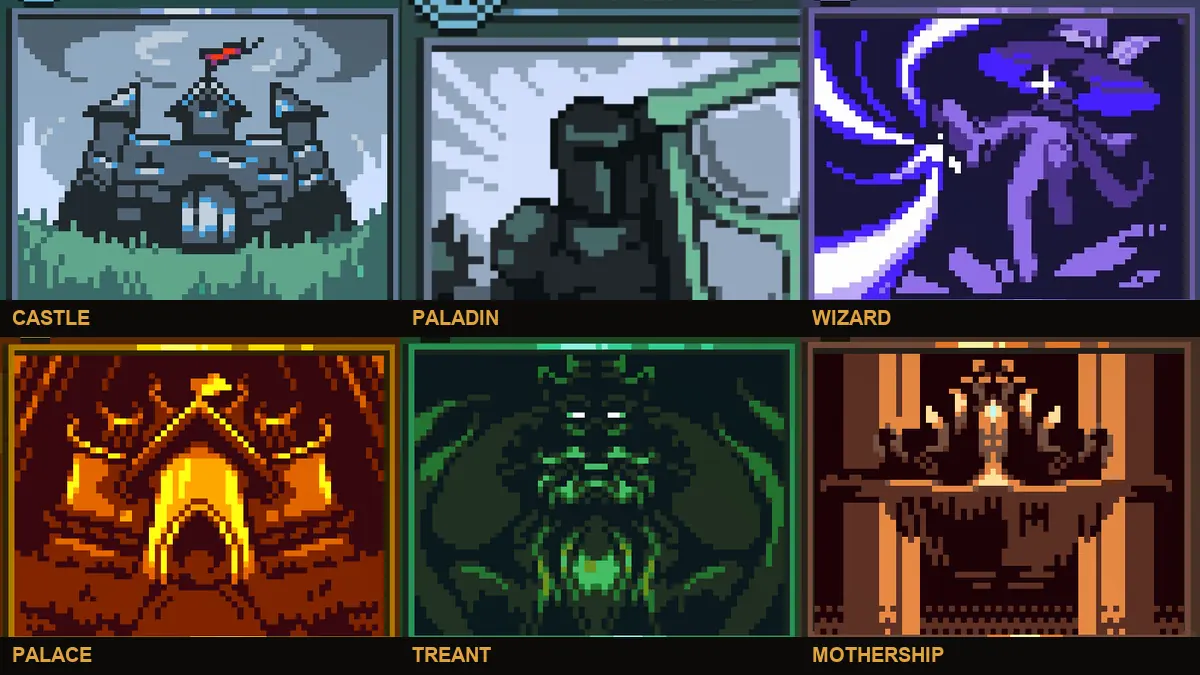
Quick answer: The best 9 Kings cards are the ones that create an engine, not the ones with the biggest single number. Castle, Paladin, Farm, Steel Coat, Library, Static, Vault, Dispenser, Demon's Altar, Treant, Boar, and Lab Rat are the twelve picks that most often decide a run.
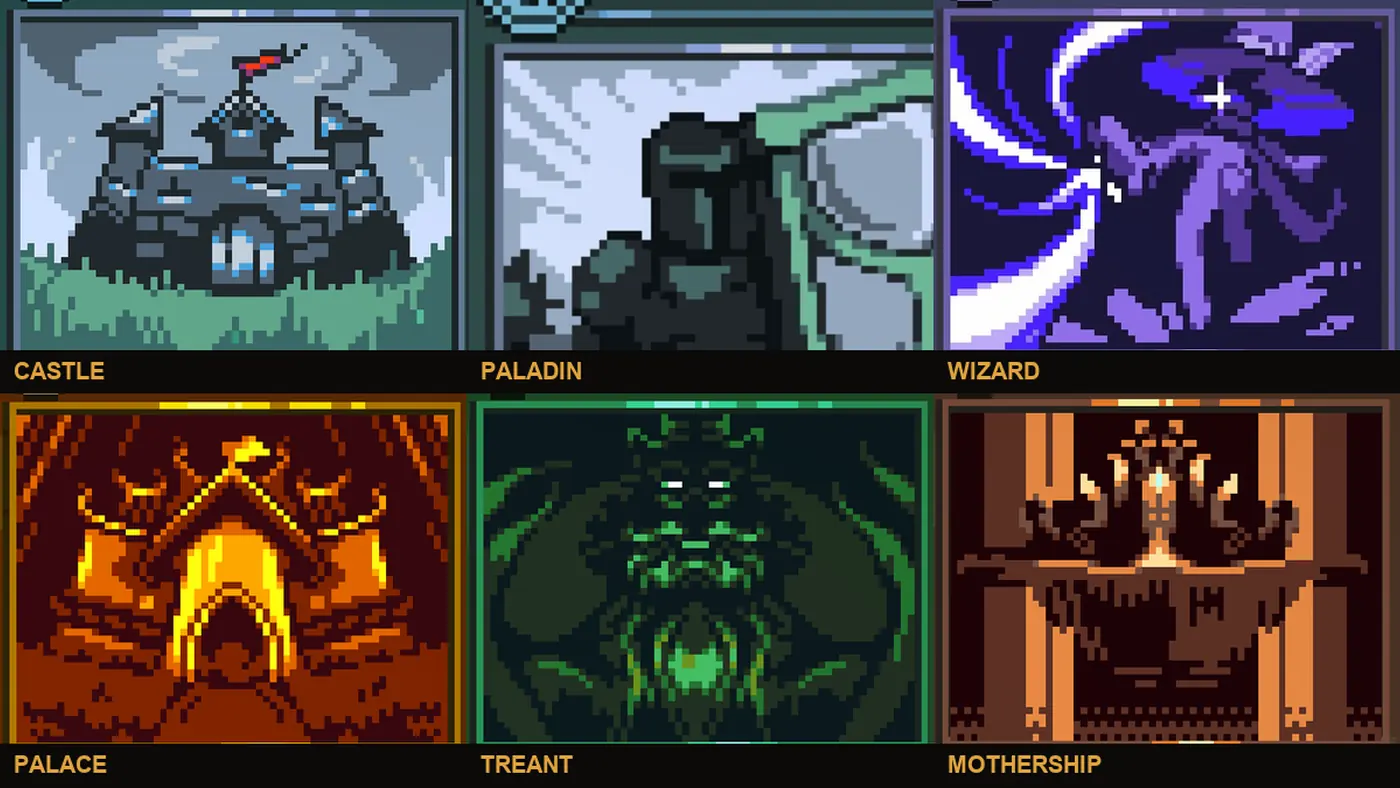
"Best card" is a misleading phrase in a drafting game. A card is only best in the context of the kingdom that supports it. Farm is mediocre without a troop to feed. Static is mediocre without attack speed. Demon's Altar is mediocre without bodies to sacrifice.
This list is therefore ordered by build-around power: how much a card changes the way you spend gold, place plots, and draft for the rest of the run. Each entry names the support it needs and the mistake that makes it feel weak.
1. Castle (King of Nothing base)
Castle is the baseline against which every other base is measured. It throws a stone projectile with area damage, it scales with levels, and it benefits from Mauler and base buffs. It is never the reason you lose.
The mistake is treating Castle as a damage carry. It is a stable platform that buys time for your real win condition. Put it on the base plot, support it with towers, and let it do its job.
2. Paladin (King of Nothing troop)
Paladin has the best stat line in Nothing's deck and scales with Valiant, Farms, Blacksmiths, and Steel Coat. It is the default Knight Haven payoff because it can both tank and hit.
Paladin is not fast and it does not clear waves. It wins by surviving long enough for its support to matter. If you put it alone on the front line with no Farm, it will die like any other troop.
3. Farm (King of Nothing building)
Farm adds +1 unit per year to adjacent troops. That is one of the few permanent, compounding buffs in the game. A Farm placed at year 5 has paid for itself many times over by year 33.
The trap is placing Farm next to three troops. It feels efficient, but it turns a potential +20-unit carry into three +7-unit bodies. Pick one.
4. Steel Coat (King of Nothing enchantment)
Steel Coat cancels the first hit a troop takes each battle. Multiple copies stack with no limit. On a high-health Paladin, three Steel Coats can mean three free hits, which is often the difference between surviving a boss and losing the run.
Steel Coat is also the reason Protector is a strong Nothing perk. Starting with extra copies accelerates the entire plan.
5. Library (King of Spells building)
Library has a 50% chance each year to copy an enchantment from an adjacent troop. That is not a flashy effect, but enchantments are the strongest permanent upgrades in the game. Copying one Static or one Steel Coat doubles your investment.
Library needs a troop with a good enchantment next to it. Without that, it is a dead plot. Build the enchantment first, then the Library.
6. Static (King of Spells enchantment)
Static makes attacks trigger a lightning chain, and each stack adds damage and one more chain. On a fast attacker, it becomes a wave-clear tool. On a slow attacker, it is a mild bonus.
The support is attack speed: Wizard and Shaman are the natural hosts, and any attack-speed decree or building makes the chain better. The mistake is putting Static on a unit that attacks once every few seconds.
7. Vault (King of Greed building)
Vault adds +3 gold per year at each level. It is the simplest economy engine in the game and the foundation of the Greed build. A level-2 Vault pays 6 gold per year, which is most of a plot every five years.
Vault is slow. It is not a card you buy when you are behind and need damage now. It is a card you buy when you are planning to be rich at year 25.
8. Dispenser (King of Greed building)
Dispenser gains +1% attack speed for every gold you earn. With Vault and Beacon, it turns the economy into a damage stat. It is the payoff that makes Greed's gold obsession worthwhile.
Dispenser without an economy is a worse tower. Do not buy it before Vault unless you already have another gold source.
9. Demon's Altar (King of Blood building)
Demon's Altar summons a demon at each level and gains permanent damage for every ally that dies. It is the engine that turns a wide, disposable board into a scaling threat.
The support is bodies: Pagoda, Cemetery, and cheap troops. The mistake is sacrificing the units that actually win the battle. Feed the altar with imps, not your Mangler.
10. Treant (King of Nature base)
Treant heals allies and damages enemies. It is one of the few bases that contributes to both survival and damage, which makes Nature's slow game plan work.
Treant is not a burst damage card. It wins by making every other unit live longer. Pair it with Forest and Boar to convert that health into stats.
11. Boar (King of Nature troop)
Boar can be ridden, and every point of HP gives the rider +1% stats. That is an unusual scaling rule: HP is not just defense, it is offense. Forest, Feast, and Procreate all feed it.
Boar needs time and support. A Boar with no HP buffs is a mediocre troop. A Boar with 200 HP of support is a win condition.
12. Lab Rat (King of Progress troop)
Lab Rat gains a level whenever an adjacent plot is upgraded, with no cap. In a Progress build that upgrades constantly, it can reach absurd levels. It is the highest-ceiling card in the game.
The support is upgrade volume: Reinforce, Concabulator, and gold. The mistake is putting the Lab Rat away from the plots you upgrade. It needs to be adjacent to the engine.
The next five
Palace (Greed) is a ray that insta-kills a target and makes golden enemies drop gold. It is a strong removal tool, but it is not an engine.
Wizard (Spells) is the best Static host. Shaman is the safer alternative when you need healing.
Mothership (Progress) is a mobile base with high skill expression. It is powerful but harder to position than a normal base.
Warlord (Nomads) is a base and a troop at once, and the center of the movement build. It is excellent in the right hands and average otherwise.
Stronghold (Stone) summons towers, which is exactly what a tower build wants. It is not flashy, but it is reliable.
How to use this list
Do not draft the top card just because it is on this list. Draft the card that completes your current engine. If you have a Paladin and two Farms, Steel Coat is the best card in the game. If you have no troop, Steel Coat is a dead draw.
The best builds→ page shows the full engines, and the best units→ page ranks the troops that carry them.
Before you take a card, name the two cards or plots that will support it. If you cannot name them, the card is not ready.
FAQ
What is the single best card in 9 Kings? Farm has the highest long-term value because it compounds every year. Steel Coat is the best enchantment.
Are bases always worth building around? Yes, but they are not all carries. Castle and Treant are platforms; Mothership and Warlord are active tools.
Should I take a card I cannot support yet? Only if you can realistically find the support in the next few years. Otherwise, take a card that helps now.
Do card levels matter more than synergy? No. A level-1 card in the right plot beats a level-3 card in the wrong one.
Sources
Official source: 9 Kings Steam store page ↗