
9 Kings Final Battle: How to Beat the Year 33 Boss
How the 9 Kings Final Battle works at year 33, why most boards lose to the boss, and the defensive setup that turns a good run into a completed one.
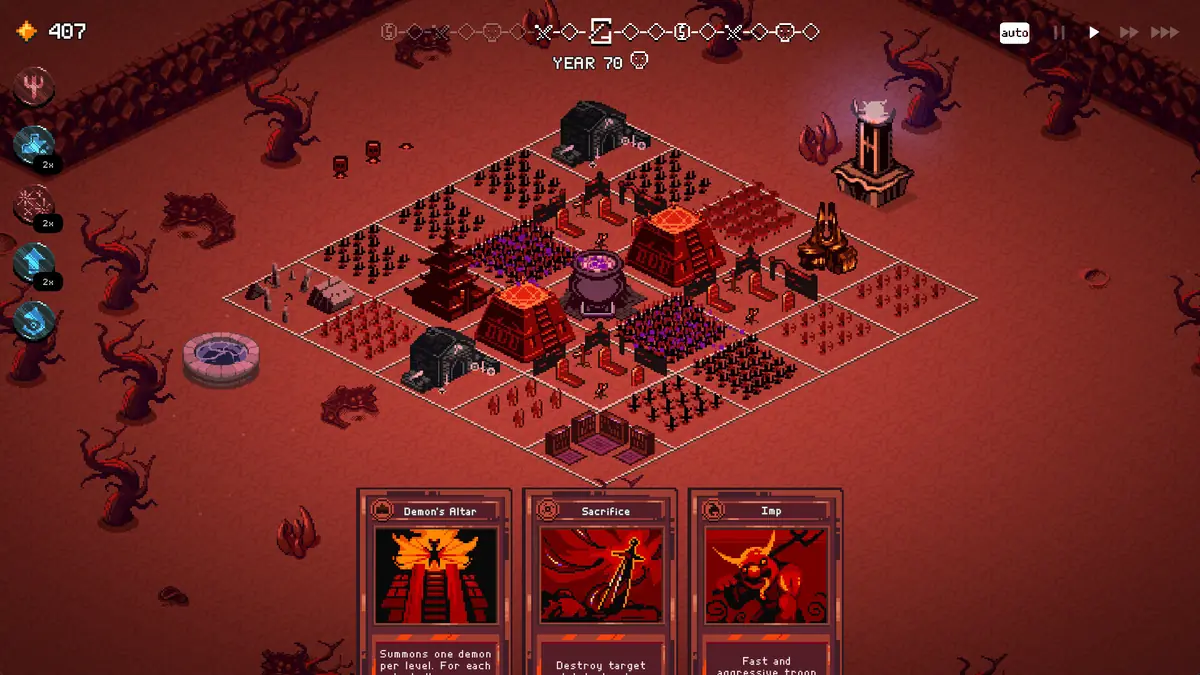
Quick answer: The Final Battle at year 33 is a single boss fight, not a wave. You can play every card in your hand, but the boss has enough health and damage to punish a wide, unsupported board. Build one carry with stacked defense, keep your base alive, and hold your burst for the boss.
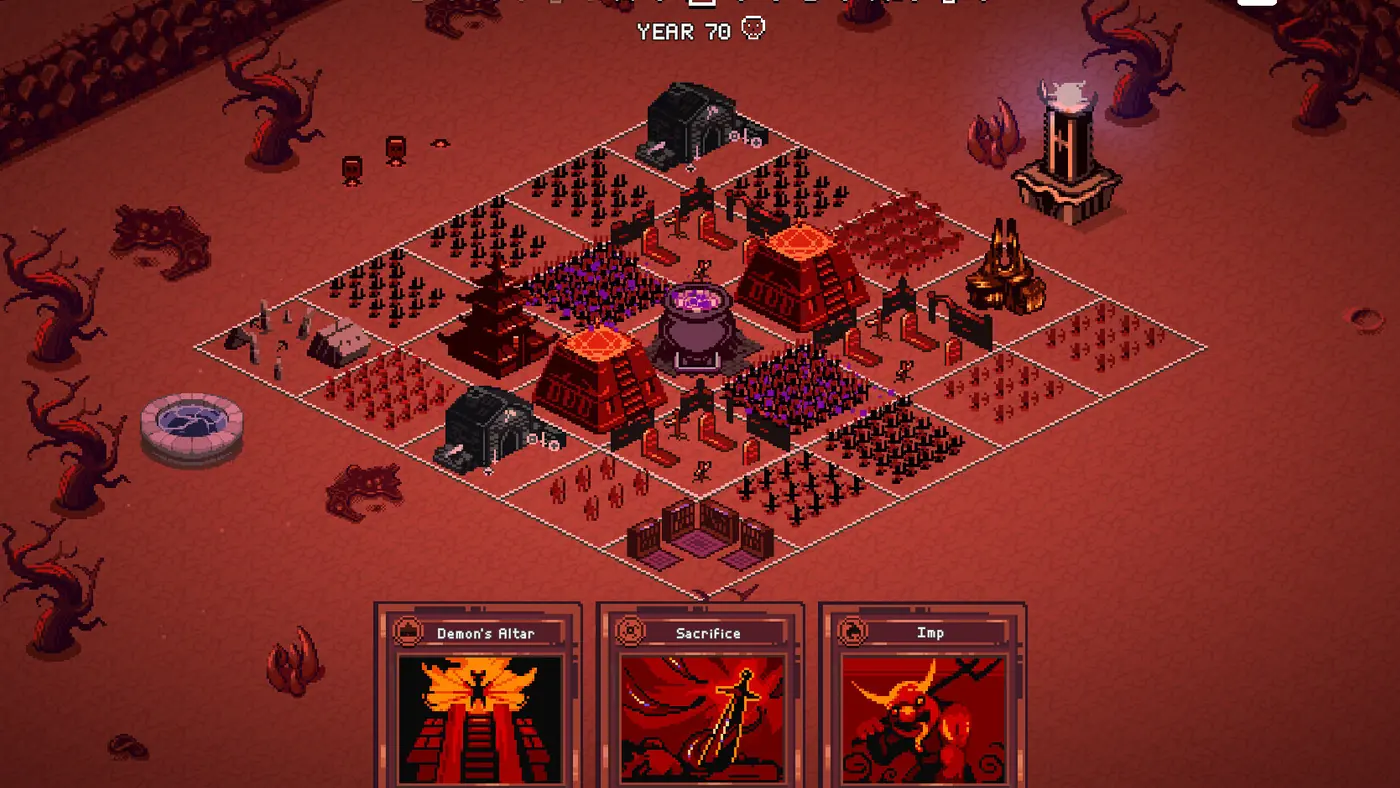
Most 9 Kings runs do not end because the player cannot deal damage. They end because the board is built to win normal battles: many units, spread buffs, no single unit tough enough to survive the boss. The Final Battle exposes that.
This guide explains what the fight asks of you, the three board shapes that beat it, and the mistakes that turn a winning run into a loss at year 33.
What the Final Battle actually is
At year 33, a boss unit enters the battlefield. The fight plays like a normal battle with one exception: you can play every card remaining in your hand. That is a final burst of power, and it is usually enough to finish the boss if your board is intact.
If you lose, you lose all your lives and the run ends. If you win, you continue into Endless mode, where the cycle repeats every 33 years with a stronger boss.
The boss is not a swarm. It is a single high-health, high-damage unit with support. Area damage helps, but single-target damage and survivability matter more.
Why most boards lose
There are four common failures.
The board is wide but shallow. Twelve units with no buffs die to one boss hit each. A wide board is good for normal battles and bad for the boss.
The carry has no defensive support. A Paladin with three Farms but no Steel Coat dies to burst. Defense is not optional in the last fight.
The base is exposed. If the boss reaches your base, you lose the run. Keep a wall, a tank, or a tower between the boss and the base.
The hand is empty. Players spend every card before year 33 and enter the fight with nothing to play. Save one or two high-impact cards for the burst.
The three board shapes that win
One carry, stacked
This is the simplest and most reliable shape. One Paladin, Boar, or Lab Rat with every buff you can stack. Two Farms, one Blacksmith, Steel Coat, Feast, and a healer behind it.
The carry kills the boss slowly while surviving its damage. The rest of the board exists to keep the carry alive and clear adds.
Tower fortress
Towers cannot be attacked or destroyed, which makes them the safest damage source in the game. A Bunker decree, several towers, and a wall between the boss and your base can win without a melee carry.
The weakness is that towers cannot block. You still need a body or a wall to stop the boss from walking into your base.
Summon engine
Blood's Demon's Altar and Pagoda can produce a stream of bodies that absorb boss hits and deal damage. The altar scales with every ally that dies, so a long fight favors you.
The weakness is that the engine needs time to ramp. If the boss kills your altar early, the plan collapses.
Positioning for the boss
Put your carry on the side of the board where the boss will arrive, not in the center. The boss walks toward the nearest target, so you can control the path.
Keep your base behind at least one layer of bodies. A tower next to the base is a good second layer because it cannot be destroyed.
Do not put your healer or support building on the front line. The boss's area damage will kill them before they matter.
The hand you save
You can play every card in your hand during the Final Battle. That means the cards you hold at year 32 are part of your build.
Save cards that do one of three things:
- Buff your carry (Feast, Steel Coat, enchantments).
- Summon bodies to absorb hits.
- Deal burst damage to finish the boss.
Do not save cards that need setup. A card that requires three turns of adjacency will not help in a single fight.
The year-32 checklist
- Is your carry alive and at full health?
- Does it have at least two defensive layers (Steel Coat, Feast, healer, wall)?
- Is your base protected?
- Do you have at least two cards in hand?
- Have you taken a combat decree in the last council?
If you answer no to any of these, spend year 32 fixing it instead of taking another fight.
Endless mode
After you win, the run continues. The next Final Battle is at year 66, then 99, and so on. Each boss is stronger, and your board needs to keep scaling.
Endless mode rewards engines over static boards. A build that peaked at year 33 will fall behind by year 66. Keep upgrading, keep drafting, and do not assume the first win means the build is finished.
The best builds→ page has the compositions that scale into Endless, and the events guide→ explains the calendar.
A single high-impact card in hand at year 32 is worth more than a marginal upgrade at year 31.
FAQ
What year is the Final Battle? Year 33. It repeats every 33 years in Endless mode.
Can I lose lives before the Final Battle? Yes. Normal battle losses cost lives. The Final Battle loss costs all remaining lives.
Does the boss appear in multiplayer? Multiplayer uses the same battle system, but the run structure is different. The year-33 boss is a solo-run event.
What is the best build for the Final Battle? A single stacked carry is the most reliable. Tower fortresses and summon engines also work with the right support.
Sources
Official source: 9 Kings Steam store page ↗